
eng
Offers
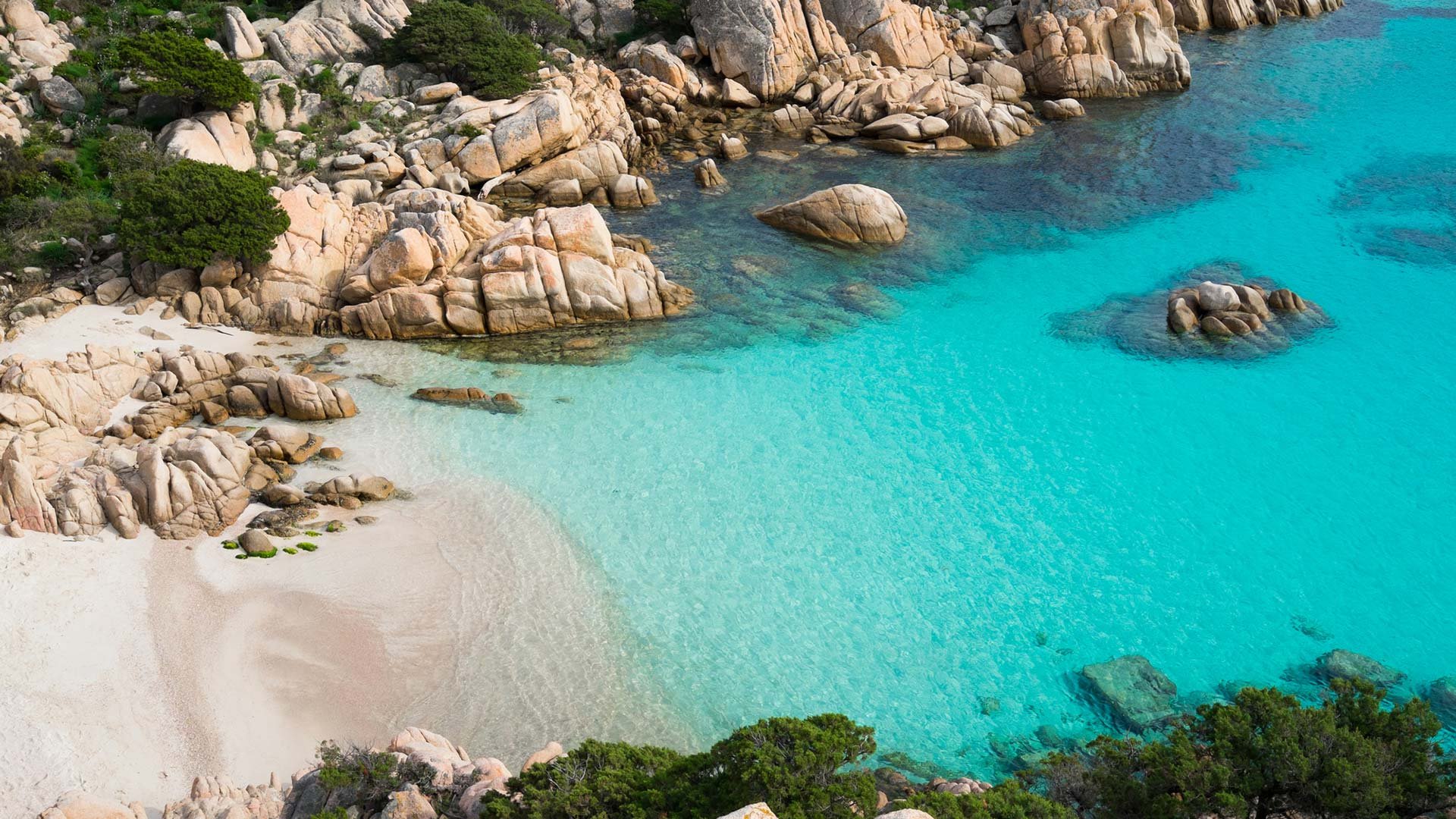
Villa Agostina sits in Murta Maria, a few kilometers south of Olbia, in a stretch of Gallura where the protected waters of Tavolara are within easy reach and Sardinia’s more glamorous coast — Porto Cervo and Porto Rotondo — still isn’t far. From here, the airport is a quarter of an hour away, and so is Olbia’s historic center: close enough to call this area a good home base, rather than an isolated spot.
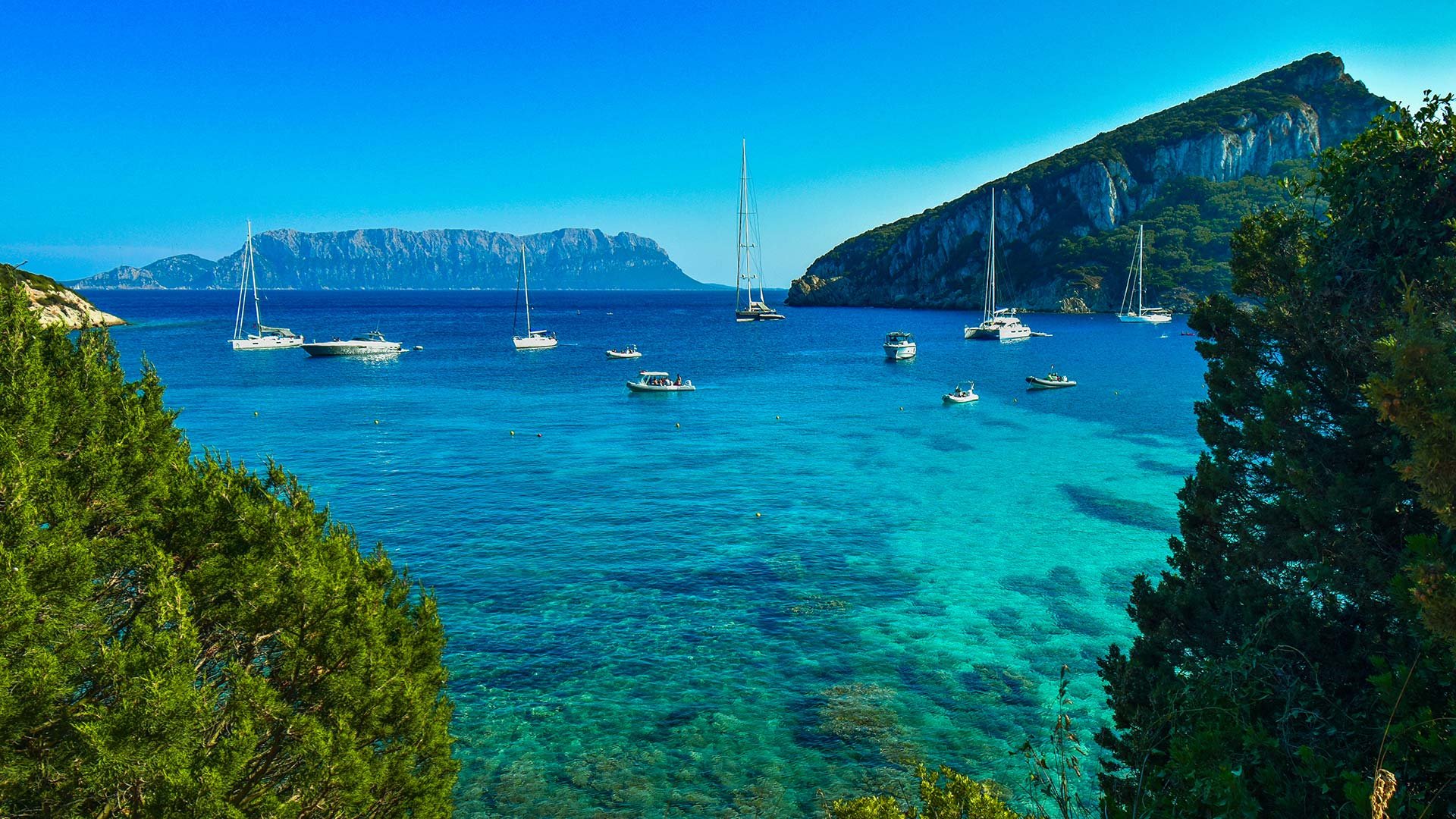
Just off the coast, the limestone island of Tavolara dominates the gulf with its near-vertical profile. The marine protected area around it is best explored by dinghy or boat, through clear waters made for snorkeling and coves you can only reach from the water. Boats leave from Porto San Paolo, just minutes from Villa Agostina.
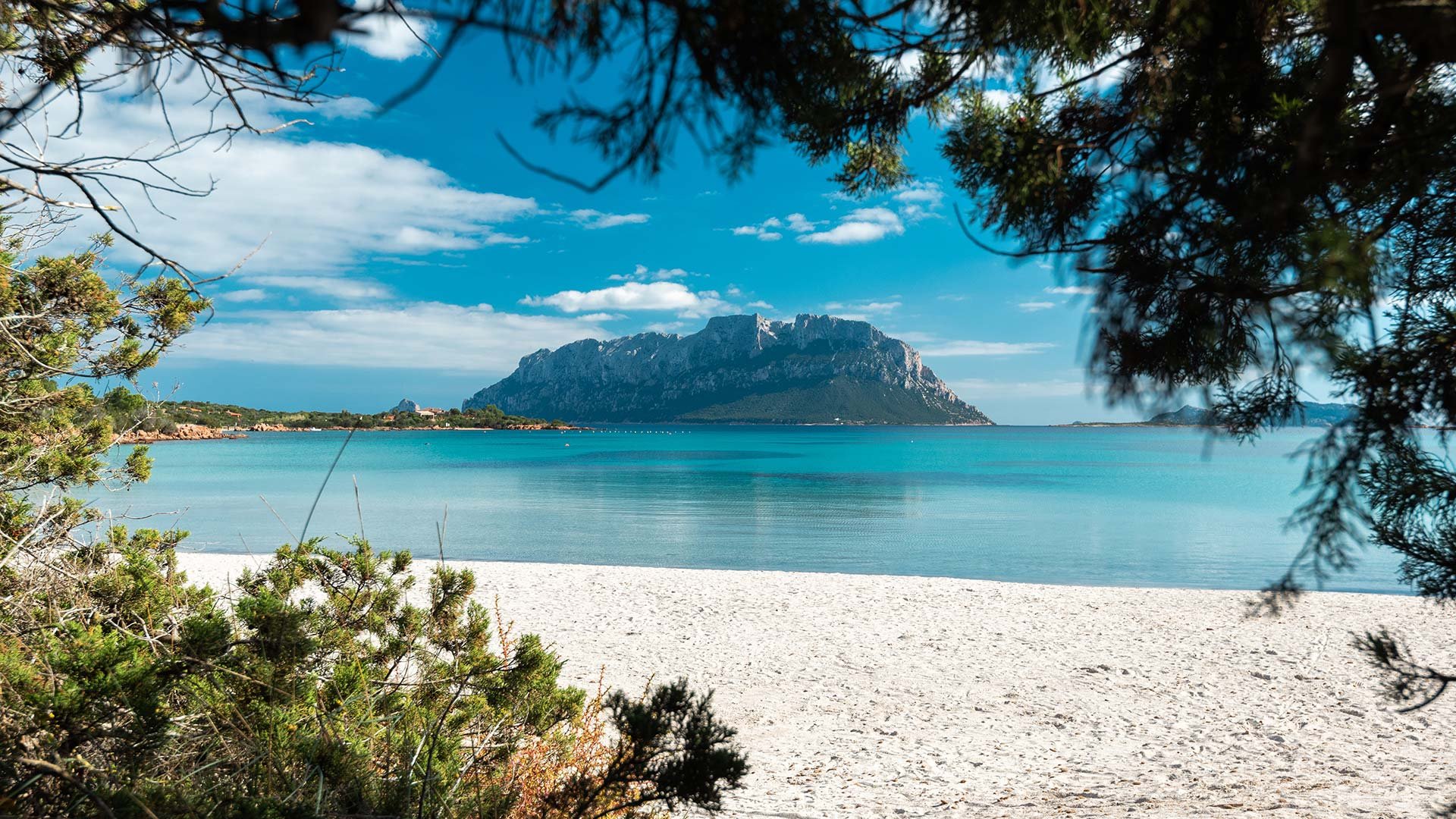
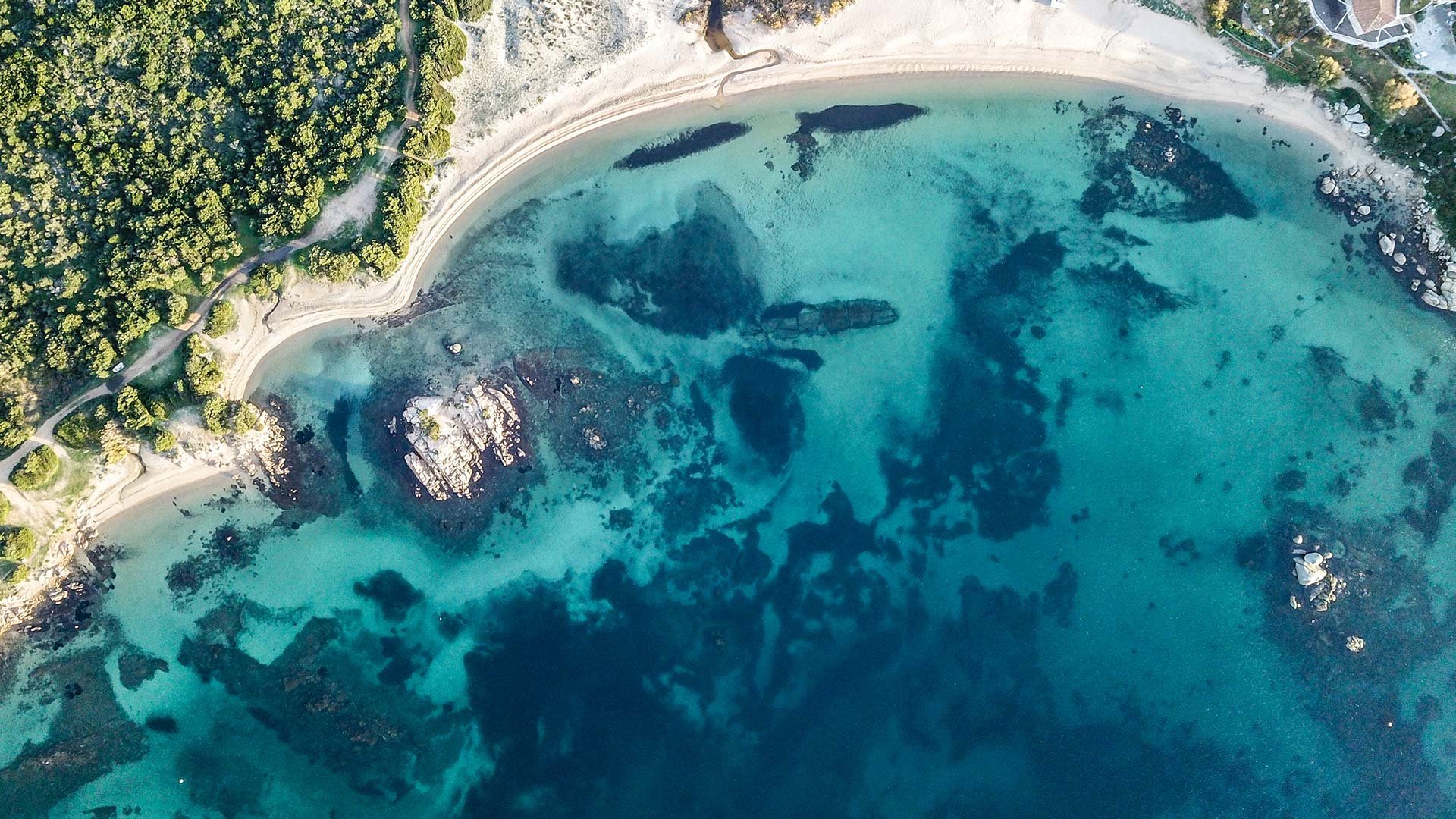
Between Murta Maria and Capo Ceraso, one cove after another of pale sand and shallow water, sheltered by pink granite rocks: Porto Istana, Spiaggia del Dottore, Li Cuncheddi. These are the beaches Olbia locals head to first, less than ten minutes away by road.
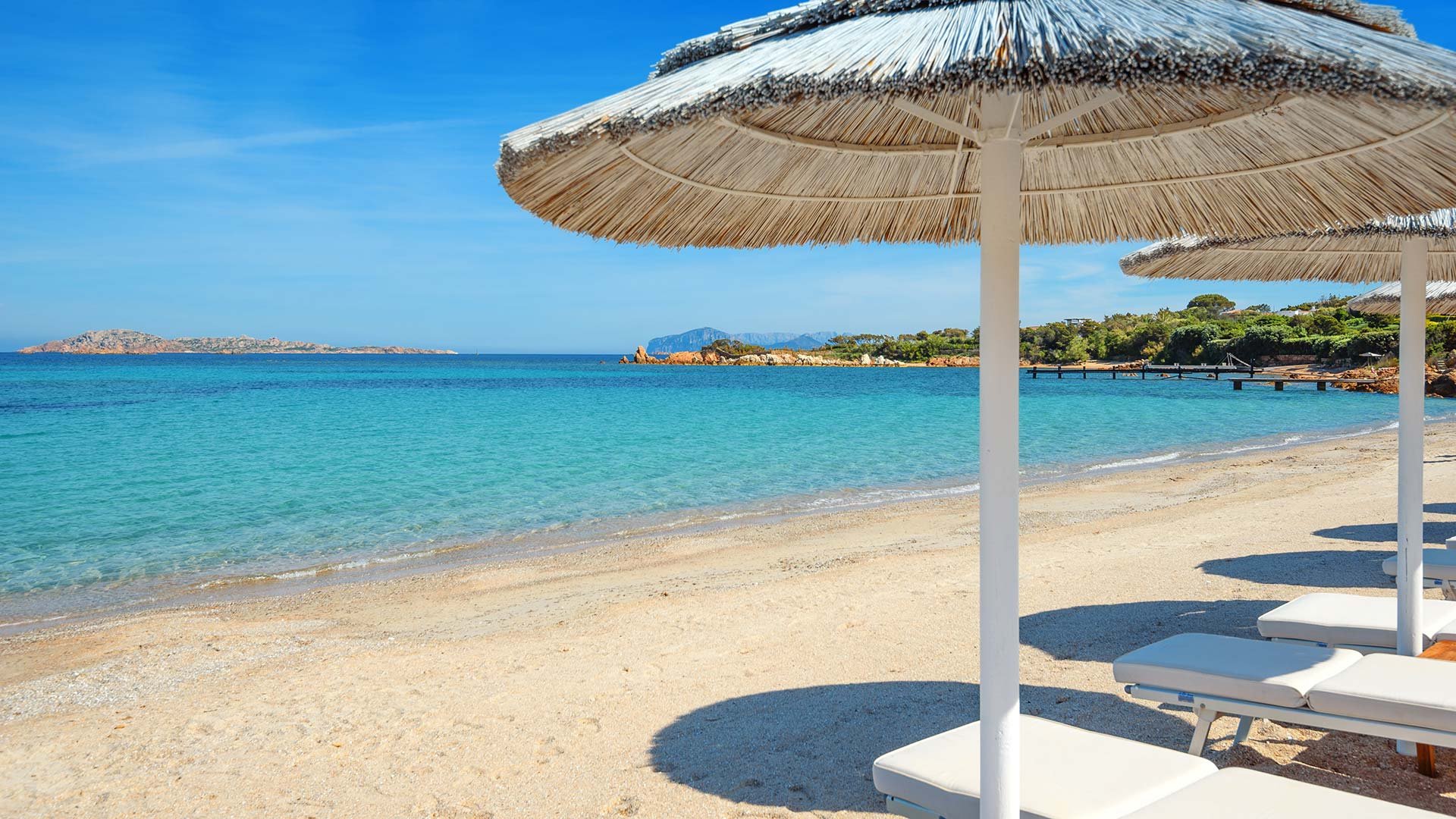
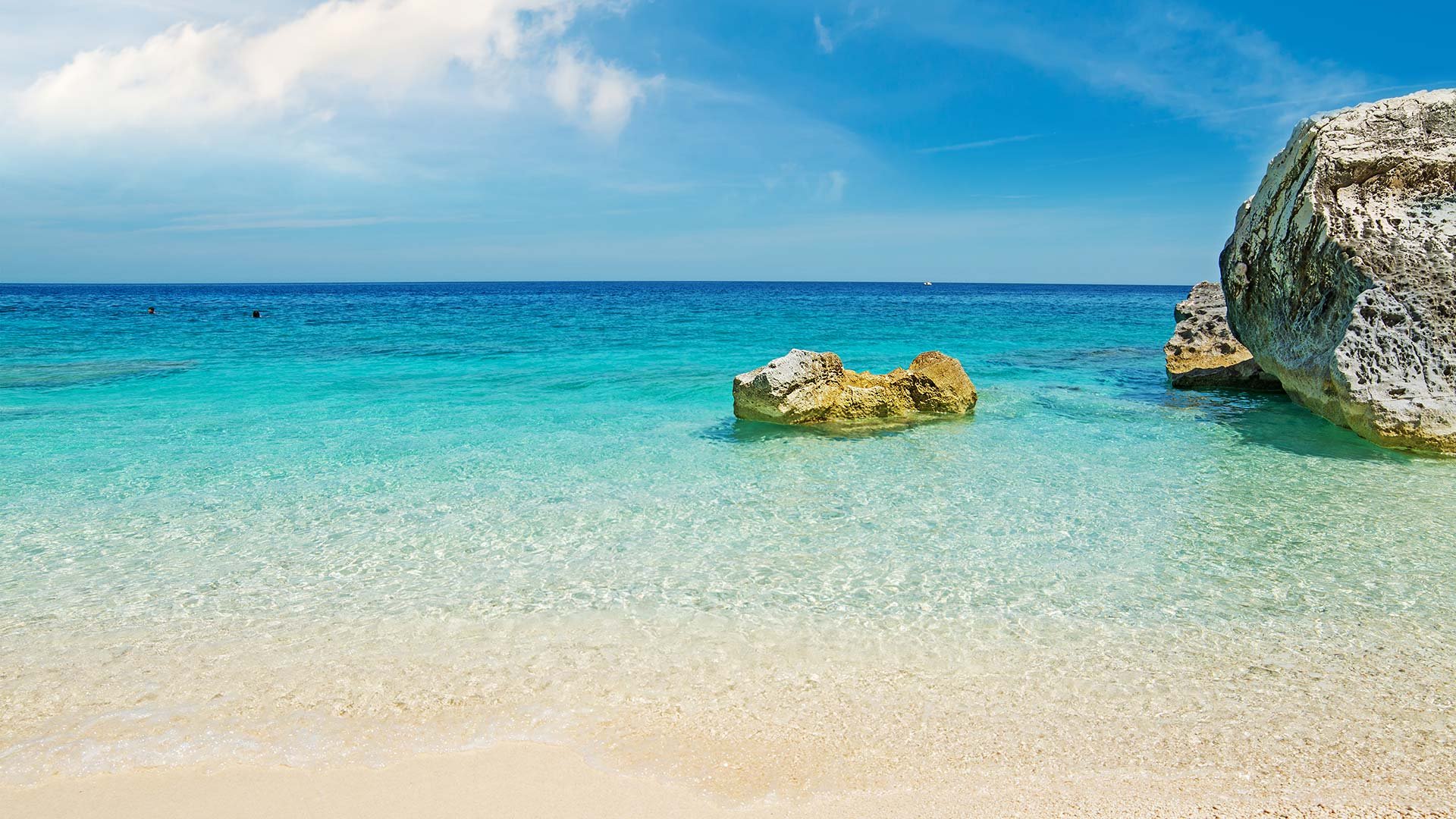
Heading south, you’ll come across some of Sardinia’s most photographed beaches: Cala Brandinchi, known as “little Tahiti” for the color of its water, and La Cinta, the long tongue of sand that separates the sea from the lagoon. From Villa Agostina, it’s about a twenty-minute drive.
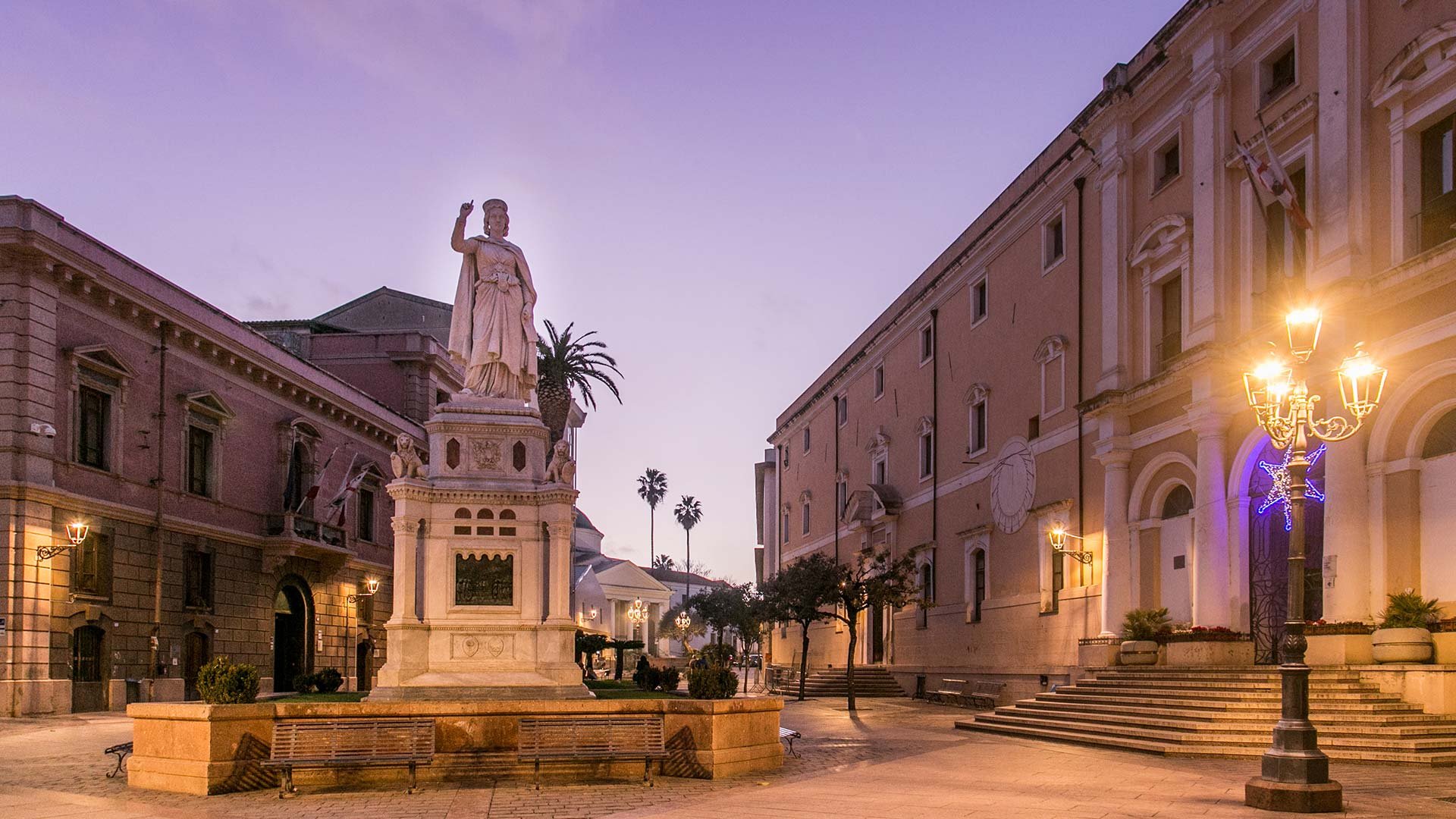
Corso Umberto and the streets of the center tell the story of a city that’s genuinely lived in, with shops, small boutiques, and bars. In the side streets branching off it, you find a more intimate Olbia, made of low houses and small squares. Just behind the main street, the Basilica of San Simplicio holds the oldest part of the city: an 11th-century granite Romanesque church, among the most significant in Gallura.
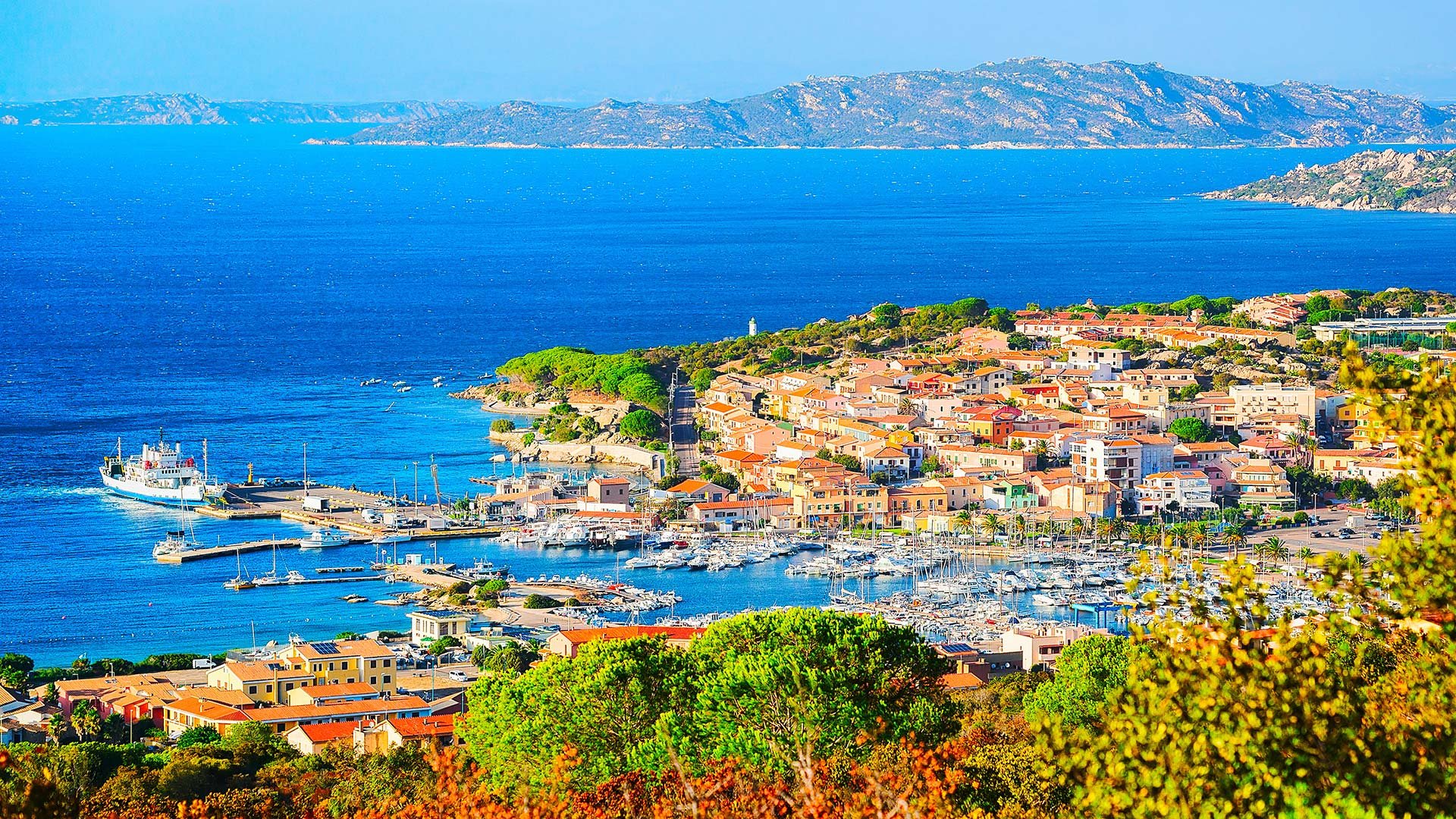
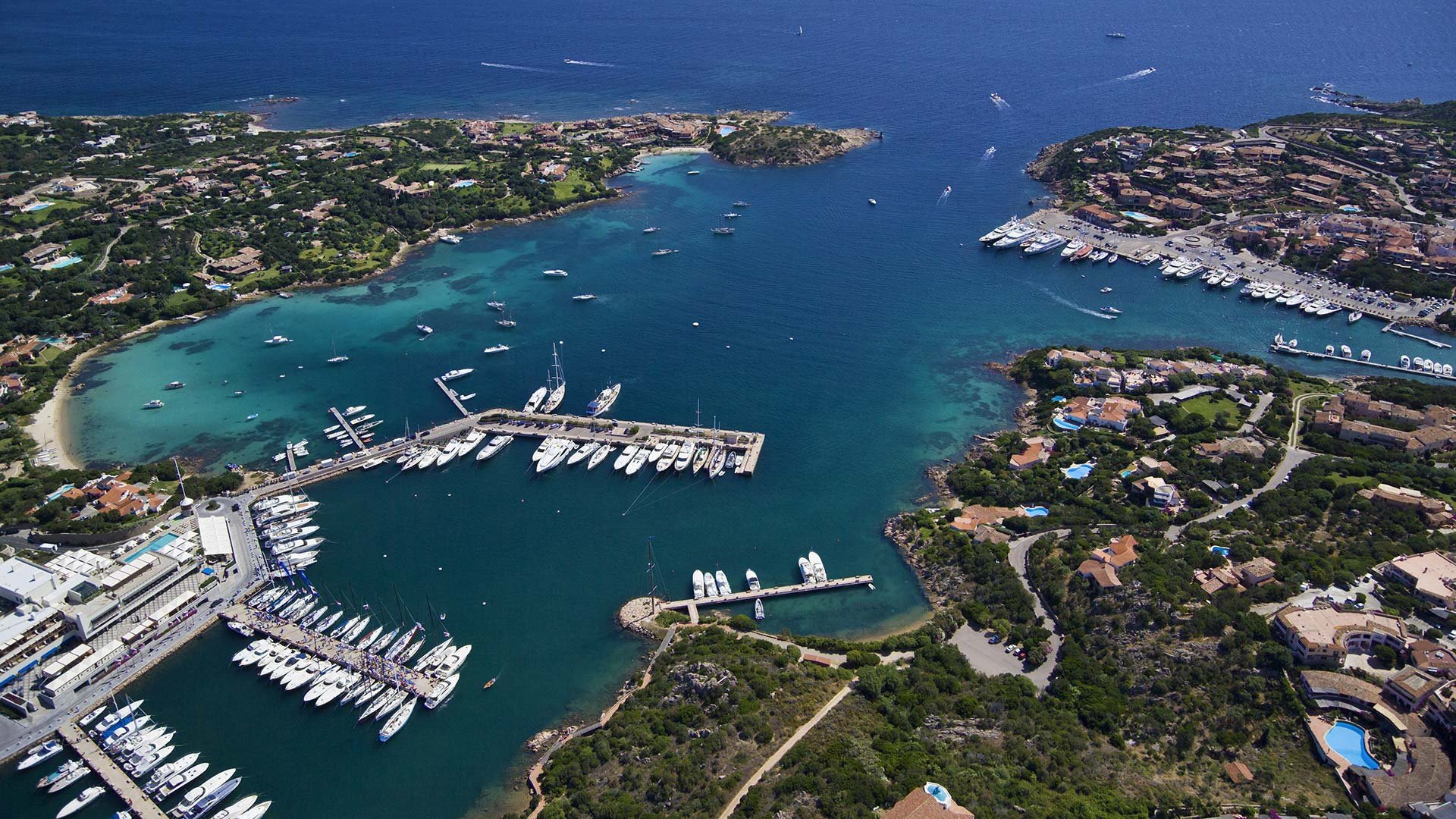
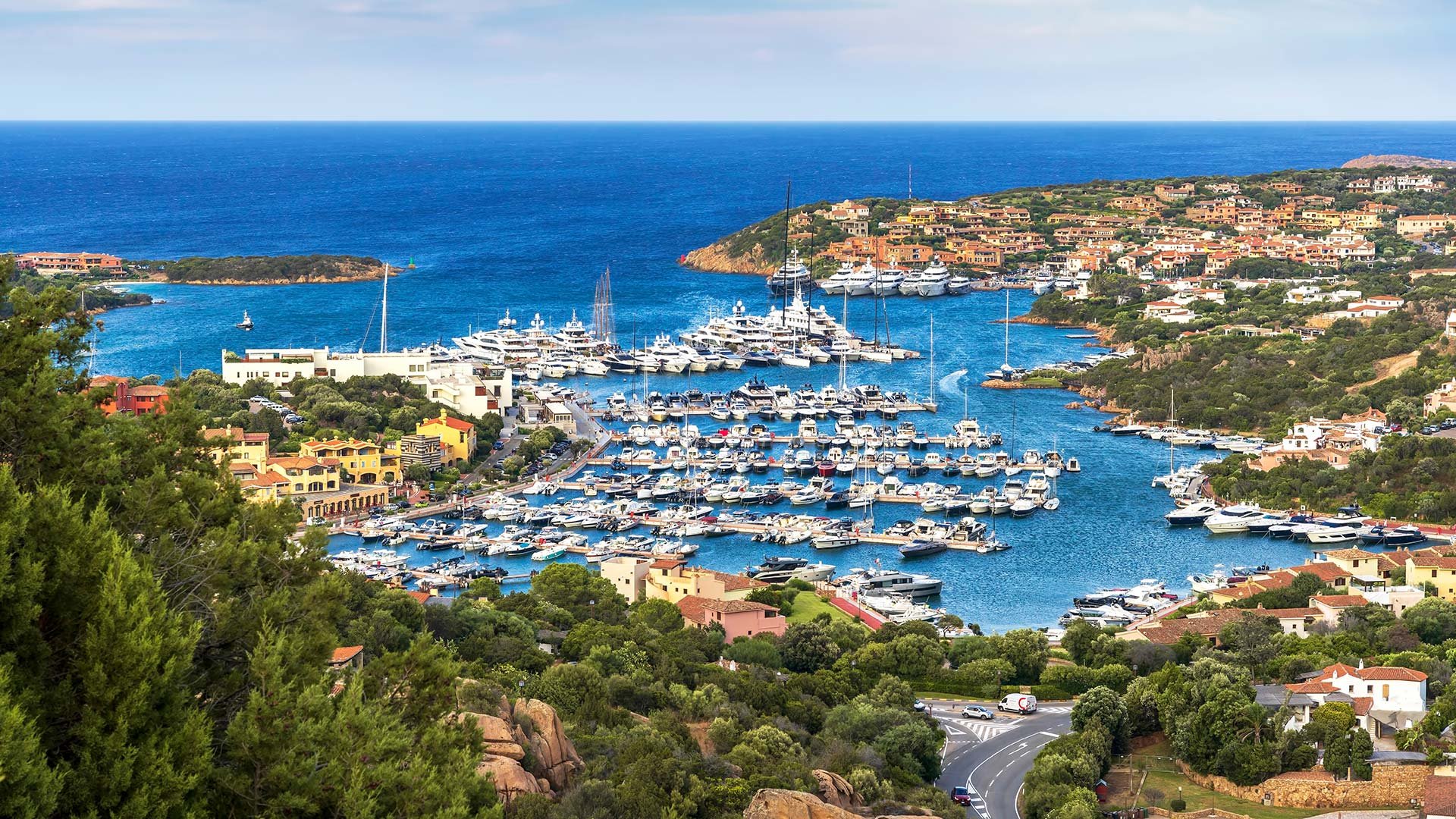
Heading north, the Costa Smeralda opens up its most famous bays: the boutiques of Porto Cervo, the marina at Porto Rotondo, the string of small coves along the scenic coastal road. It’s a different Sardinia from the one at Villa Agostina, but you can reach it in about forty minutes.
A little closer, toward the far end of the gulf, Golfo Aranci alternates fine sandy beaches with stretches of rocky coast, with Capo Figari closing the view out over the open sea. A quieter stop, if you’re after an afternoon without too many people around.